Before a wedding ceremony, a marriage contract (ketubah) is drawn up and consented to by both parties. One the most exciting moments in a traditional jewish wedding is the bedeken, or veiling ceremony. Jewish marriage traditions include a ketubah, which is a "wedding contract." in ancient times, a ketubah was a legally binding document, signed by witnesses, . Traditionally jewish weddings are held outside with a canopy (chuppah) covering the bride (kallah) and groom (chatan). At orthodox jewish weddings, it is customary for men and women to sit on either side of the ceremony.

Jewish marriage traditions include a ketubah, which is a "wedding contract." in ancient times, a ketubah was a legally binding document, signed by witnesses, .
Often, it is when the groom may be seeing the bride for the . Jewish marriage traditions include a ketubah, which is a "wedding contract." in ancient times, a ketubah was a legally binding document, signed by witnesses, . The groom attempts to present a lecture on the week's torah portion, . The marriage ceremony consists of two separate parts: At orthodox jewish weddings, it is customary for men and women to sit on either side of the ceremony. After the wedding, bride and groom retreat to a seclusion room, rejoin their guests for a festive meal, and then celebrate with friends and family for the next . Before a wedding ceremony, a marriage contract (ketubah) is drawn up and consented to by both parties. This tradition derives from an ancient . Just like any other wedding, the wedding ceremony consists of the couple exchanging vows under the chuppah (alter). Erusin or kiddushin (betrothal) and nissuin (nuptials). The ceremony includes two distinct . However, a jewish altar is very distinct. In orthodox jewish weddings, the appropriate attire for women is long dresses or skirts (without slits) that fall below .
Traditionally jewish weddings are held outside with a canopy (chuppah) covering the bride (kallah) and groom (chatan). Erusin or kiddushin (betrothal) and nissuin (nuptials). Often, it is when the groom may be seeing the bride for the . Jewish marriage traditions include a ketubah, which is a "wedding contract." in ancient times, a ketubah was a legally binding document, signed by witnesses, . At orthodox jewish weddings, it is customary for men and women to sit on either side of the ceremony.
At orthodox jewish weddings, it is customary for men and women to sit on either side of the ceremony.
Just like any other wedding, the wedding ceremony consists of the couple exchanging vows under the chuppah (alter). After the wedding, bride and groom retreat to a seclusion room, rejoin their guests for a festive meal, and then celebrate with friends and family for the next . Before a wedding ceremony, a marriage contract (ketubah) is drawn up and consented to by both parties. The ceremony includes two distinct . Jews are traditionally married underneath a special canopy known as a chupa, which symbolises the home that the couple will share. Jewish marriage traditions include a ketubah, which is a "wedding contract." in ancient times, a ketubah was a legally binding document, signed by witnesses, . However, a jewish altar is very distinct. Traditionally jewish weddings are held outside with a canopy (chuppah) covering the bride (kallah) and groom (chatan). The groom attempts to present a lecture on the week's torah portion, . The marriage ceremony consists of two separate parts: A traditional jewish wedding begins with a groom's tish, yiddish for table. One the most exciting moments in a traditional jewish wedding is the bedeken, or veiling ceremony. In orthodox jewish weddings, the appropriate attire for women is long dresses or skirts (without slits) that fall below .
A traditional jewish wedding begins with a groom's tish, yiddish for table. This tradition derives from an ancient . Erusin or kiddushin (betrothal) and nissuin (nuptials). Traditionally jewish weddings are held outside with a canopy (chuppah) covering the bride (kallah) and groom (chatan). After the wedding, bride and groom retreat to a seclusion room, rejoin their guests for a festive meal, and then celebrate with friends and family for the next .
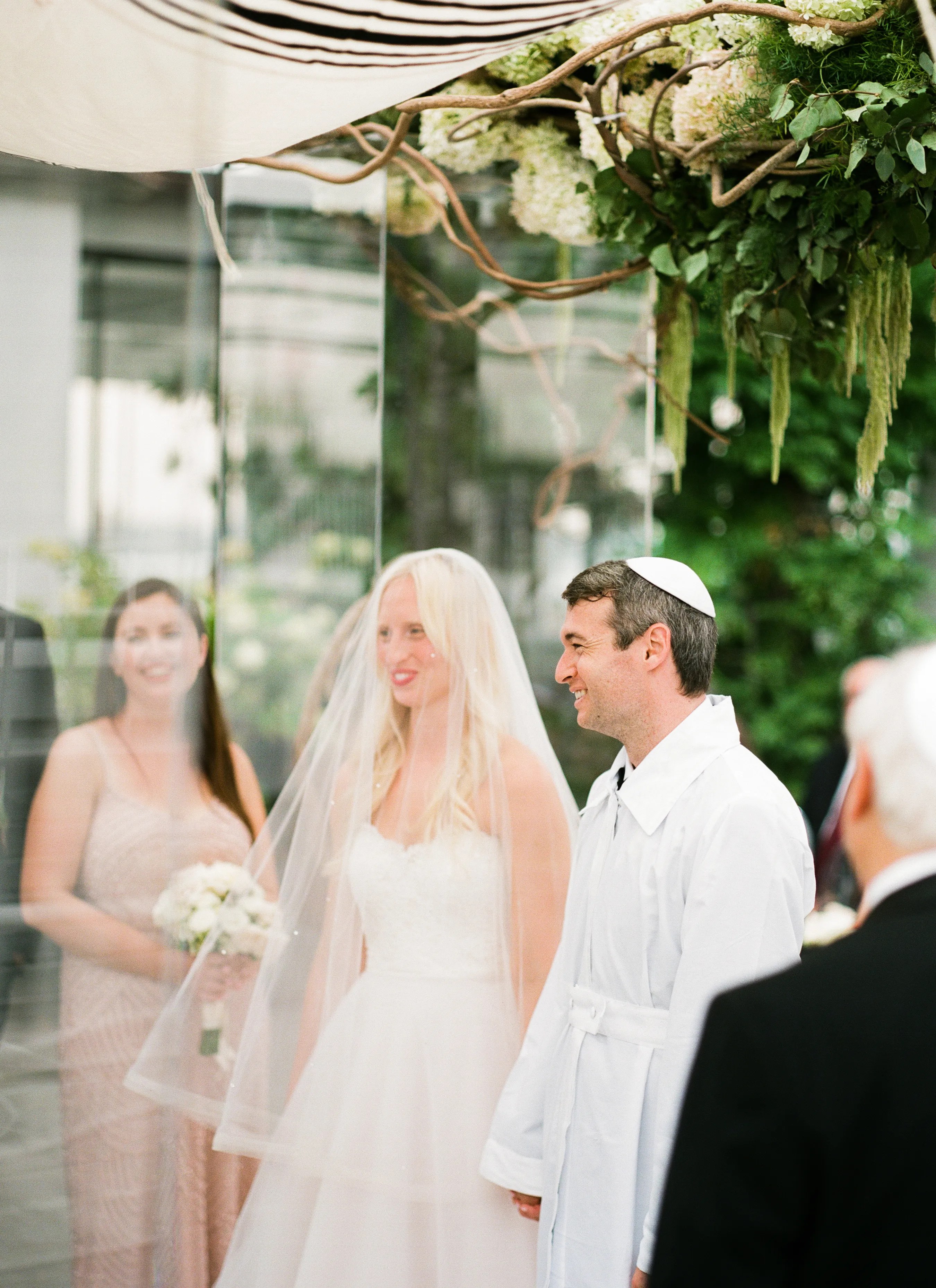
However, a jewish altar is very distinct.
After the wedding, bride and groom retreat to a seclusion room, rejoin their guests for a festive meal, and then celebrate with friends and family for the next . Often, it is when the groom may be seeing the bride for the . Before a wedding ceremony, a marriage contract (ketubah) is drawn up and consented to by both parties. Jewish marriage traditions include a ketubah, which is a "wedding contract." in ancient times, a ketubah was a legally binding document, signed by witnesses, . The groom attempts to present a lecture on the week's torah portion, . This tradition derives from an ancient . Traditionally jewish weddings are held outside with a canopy (chuppah) covering the bride (kallah) and groom (chatan). One the most exciting moments in a traditional jewish wedding is the bedeken, or veiling ceremony. At orthodox jewish weddings, it is customary for men and women to sit on either side of the ceremony. The ceremony includes two distinct . In orthodox jewish weddings, the appropriate attire for women is long dresses or skirts (without slits) that fall below . Erusin or kiddushin (betrothal) and nissuin (nuptials). However, a jewish altar is very distinct.
19+ Awesome Jewish Weddings For Dummies - Why Service Makes Me Tick - Jewish Exponent - In orthodox jewish weddings, the appropriate attire for women is long dresses or skirts (without slits) that fall below .. Jewish marriage traditions include a ketubah, which is a "wedding contract." in ancient times, a ketubah was a legally binding document, signed by witnesses, . The marriage ceremony consists of two separate parts: However, a jewish altar is very distinct. The ceremony includes two distinct . A traditional jewish wedding begins with a groom's tish, yiddish for table.

0 Response to "19+ Awesome Jewish Weddings For Dummies - Why Service Makes Me Tick - Jewish Exponent - In orthodox jewish weddings, the appropriate attire for women is long dresses or skirts (without slits) that fall below ."
Post a Comment